
Composting 101: Effortless Kitchen Scraps to Garden Gold
Composting is a simple and effective way to recycle organic waste and create nutrient-rich soil for your garden. By turning kitchen scraps into “garden gold,” you can reduce waste, improve soil health, and promote sustainable gardening practices. In this article, we will explore the basics of composting, the benefits it offers, and how you can easily turn your kitchen scraps into valuable compost for your garden.
Understanding Composting
Composting is the process of breaking down organic materials, such as food scraps, yard waste, and paper, into a rich soil amendment known as compost. This organic matter decomposes naturally with the help of microorganisms, such as bacteria and fungi, and eventually transforms into a dark, crumbly substance that is full of nutrients and beneficial microorganisms. Compost can help improve soil structure, retain moisture, and provide essential nutrients to plants, making it an invaluable addition to any garden.
Benefits of Composting
There are numerous benefits to composting both for the environment and your garden. Composting reduces the amount of organic waste that ends up in landfills, where it would release harmful greenhouse gases as it decomposes. By composting your kitchen scraps, you can divert valuable nutrients back into the soil, closing the nutrient loop and promoting a more sustainable food system. Additionally, using compost in your garden can improve soil fertility, boost plant growth, and enhance water retention, reducing the need for synthetic fertilizers and chemicals.
Getting Started with Kitchen Composting
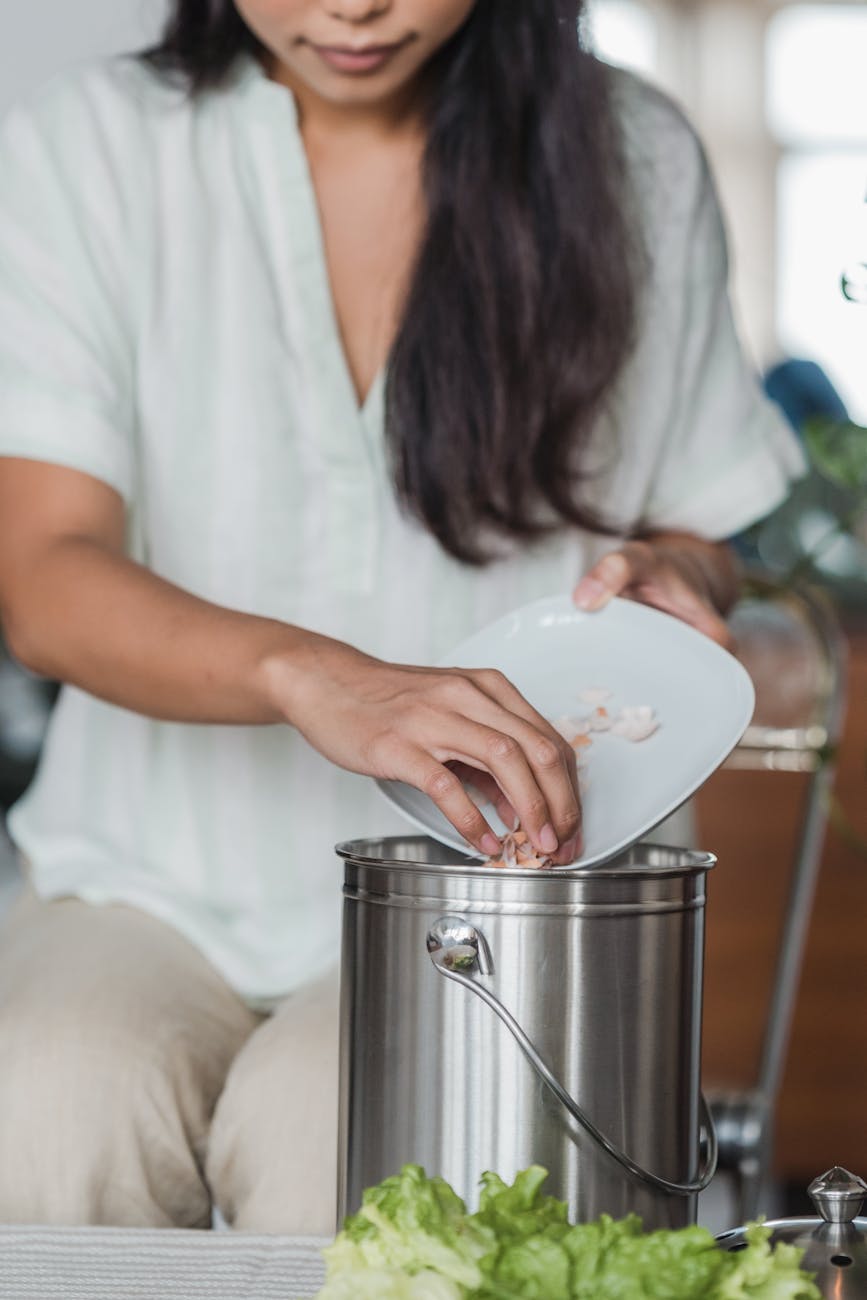
To start composting kitchen scraps, you’ll need a few essential tools and materials. A compost bin or pile provides a designated space for your organic waste to break down. Choose a location that is convenient yet out of direct sunlight or extreme temperatures. Collect kitchen scraps like fruit and vegetable peels, coffee grounds, eggshells, and leftovers, but avoid adding meat, dairy, or oily foods that can attract pests or slow down the composting process. To accelerate decomposition, mix green materials (high in nitrogen) like kitchen scraps with brown materials (high in carbon) such as leaves, straw, or shredded paper.
Maintaining Your Compost Pile
Successful composting requires regular maintenance to ensure proper decomposition and good airflow. Turn your compost pile occasionally to mix the materials and provide oxygen to the microorganisms responsible for breaking down organic matter. Keep the compost pile moist, like a wrung-out sponge, to promote microbial activity. If the pile becomes too dry, add water, and cover it during heavy rain to prevent oversaturation. With time and proper care, your kitchen scraps will transform into nutrient-rich compost ready to feed your garden.
Using Compost in Your Garden
Once your compost is dark, crumbly, and earthy-smelling, it is ready to use in your garden. Spread the compost around plants, mix it into the soil when planting, or create compost tea by steeping compost in water to make a nutrient-rich liquid fertilizer. Compost enriches the soil with essential nutrients, improves its structure, and enhances microbial activity, promoting healthy plant growth and increasing yields. By integrating compost into your gardening routine, you will see the benefits of “garden gold” firsthand as your plants thrive and your soil becomes more fertile.
In conclusion, composting kitchen scraps is a simple yet powerful way to reduce waste, improve soil health, and enhance the productivity of your garden. By following the basics of composting, maintaining your compost pile, and using the resulting compost in your garden, you can turn everyday kitchen waste into valuable “garden gold” that nourishes your plants and promotes a sustainable gardening ecosystem. Start composting today and reap the rewards of this eco-friendly practice in your own backyard.