
Enhancing Organic Gardens with Beneficial Insects
From vibrant blooms to bountiful harvests, successful organic gardening requires a delicate balance in nature’s ecosystem. One crucial element in maintaining a thriving organic garden is the presence of beneficial insects. These tiny allies play a significant role in controlling pests, pollinating plants, and improving soil health, making them essential partners in sustainable and eco-friendly gardening practices.
The Role of Beneficial Insects in Organic Gardening
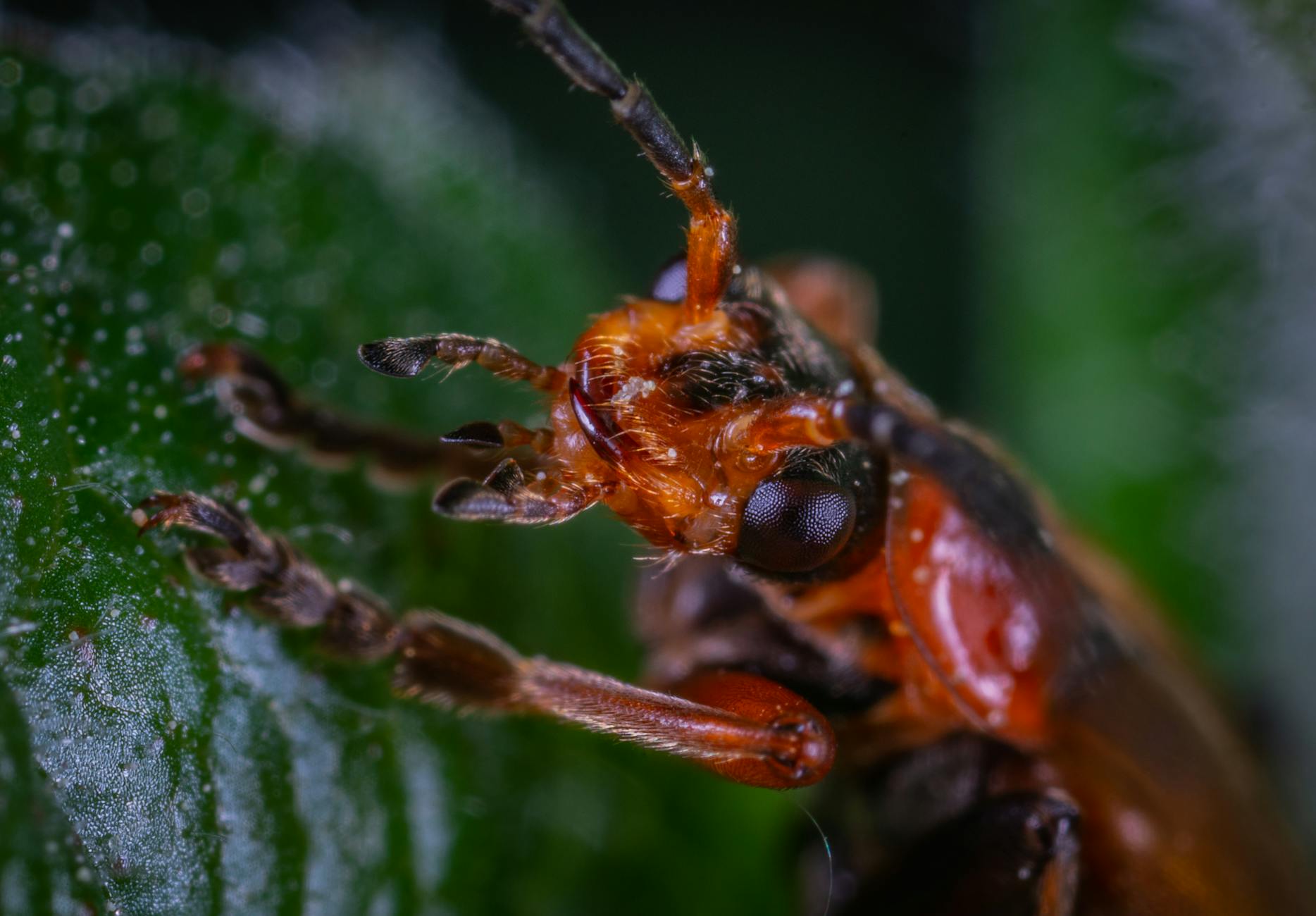
Beneficial insects are nature’s own pest control squad, tirelessly working to keep harmful insect populations in check. Ladybugs, lacewings, parasitic wasps, and predatory beetles are just a few examples of these valuable allies in the garden. By preying on destructive pests like aphids, caterpillars, and mites, beneficial insects help maintain a natural balance that reduces the need for chemical pesticides in organic gardening.
Attracting Beneficial Insects to Your Garden
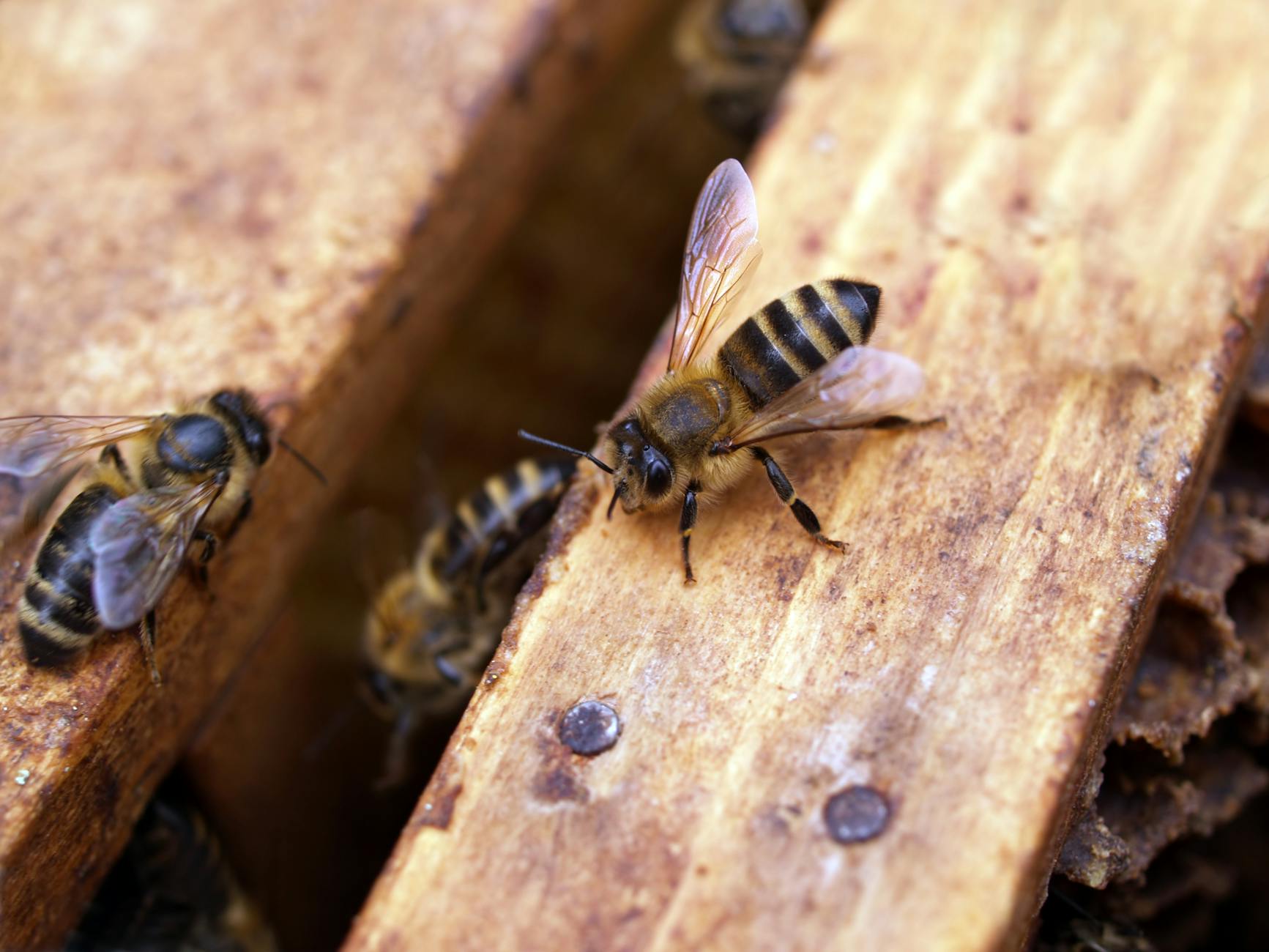
Creating a welcoming environment for beneficial insects is key to maximizing their impact on your organic garden. Planting a diverse range of nectar-rich flowers such as marigolds, sunflowers, and daisies can attract pollinators like bees and butterflies, while also providing a food source for beneficial insects. Additionally, incorporating companion plants like cilantro, dill, and fennel can attract predatory insects that feed on common garden pests.
Using Beneficial Insects for Pest Control
Introducing beneficial insects into your garden can be an effective and natural way to control pest populations. You can purchase beneficial insects from reputable suppliers or attract them naturally by creating habitat conditions that support their presence. Ladybugs, for example, are voracious aphid predators and can help keep these destructive pests in check. Lacewings are another beneficial insect that feed on aphids, whiteflies, and mites, providing natural pest control for your organic garden.
Enhancing Soil Health with Beneficial Insects
Beneficial insects not only help control pests but also contribute to improving soil health in organic gardens. Ground-dwelling insects like earthworms and beetles play a vital role in aerating the soil, breaking down organic matter, and cycling nutrients. By encouraging a diverse population of beneficial insects in your garden, you can promote healthy soil structure and fertility, leading to stronger and more resilient plants.
Maintaining a Balanced Ecosystem in Your Garden
Incorporating beneficial insects into your organic gardening practices is a holistic approach to pest management and plant health. By fostering a balanced ecosystem that includes beneficial insects, you can reduce reliance on synthetic pesticides, promote pollination, and support overall biodiversity in your garden. Observing and understanding the interactions between pests, beneficial insects, and plants can help you make informed decisions and create a harmonious environment for sustainable gardening.
Conclusion
Beneficial insects are invaluable allies for successful organic gardening, offering natural pest control, pollination services, and soil health benefits. By recognizing the role of beneficial insects in maintaining a balanced ecosystem, organic gardeners can harness the power of nature to cultivate thriving and sustainable gardens. Embracing these tiny allies not only enhances the health and productivity of your garden but also contributes to a healthier planet for future generations to enjoy.