
Organic Gardening: Top Tips to Avoid Mistakes
Organic gardening is a fulfilling and eco-friendly way to cultivate a bountiful harvest while minimizing environmental impact. Whether you’re a seasoned gardener or just starting out, it’s essential to be aware of common mistakes that can hinder your organic gardening efforts. By learning how to avoid these pitfalls, you can create a thriving organic garden that flourishes with health and abundance. In this article, we will explore top tips to steer clear of mistakes in organic gardening.
Choosing the Right Location and Soil Quality
One of the fundamental aspects of successful organic gardening is selecting the right location for your garden. Make sure your garden receives an adequate amount of sunlight and is sheltered from strong winds. Additionally, pay attention to the quality of your soil. Organic gardening thrives in nutrient-rich soil, so consider investing in organic compost or natural fertilizers to enrich the soil and support plant growth.
Selecting the Right Plants for Your Climate
To avoid setbacks in your organic garden, it’s crucial to choose plants that are well-suited to your climate and growing conditions. Research the specific requirements of each plant variety, including sunlight, water, and temperature needs. By selecting plants that are adapted to your local climate, you can prevent stress on the plants and increase their resilience to pests and diseases.
Watering Wisely and Properly
Proper watering is essential for the health and growth of your plants in organic gardening. Overwatering can lead to root rot and other issues, while underwatering can result in stunted growth and poor fruit development. To avoid these problems, water your plants deeply but infrequently, allowing the soil to dry out slightly between waterings. Consider investing in a soaker hose or drip irrigation system to deliver water directly to the roots of your plants.
Implementing Natural Pest Control Methods
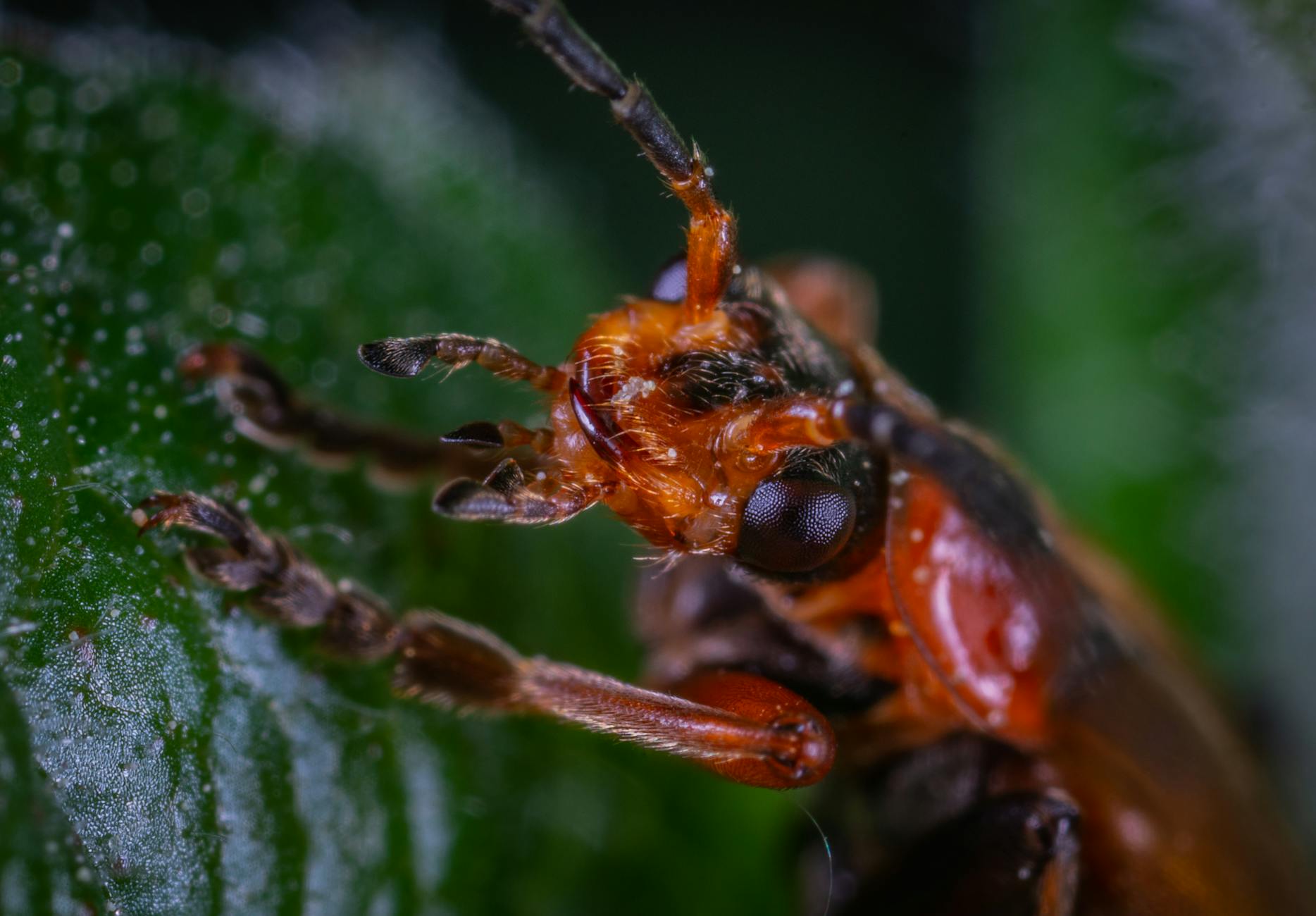
Pests can wreak havoc on an organic garden if left unchecked. Instead of resorting to chemical pesticides, opt for natural pest control methods to protect your plants and maintain a healthy ecosystem in your garden. Companion planting, using physical barriers like row covers, and introducing beneficial insects are effective ways to manage pests organically. Regularly inspect your plants for signs of pest damage and take swift action to prevent infestations.
Avoiding Synthetic Chemicals and Fertilizers
One of the core principles of organic gardening is avoiding the use of synthetic chemicals and fertilizers. While chemical fertilizers may provide a quick boost to plant growth, they can harm beneficial soil organisms and disrupt the natural balance of your garden ecosystem. Instead, focus on building healthy soil through the use of organic amendments like compost, manure, and mulch. These natural materials enrich the soil, improve its structure, and promote overall plant health.
Practicing Crop Rotation and Soil Conservation
To prevent nutrient depletion and reduce the risk of pest and disease buildup, practice crop rotation in your organic garden. Rotating crops each season helps maintain soil fertility, break pest cycles, and minimize the need for chemical interventions. Additionally, prioritize soil conservation practices such as mulching, cover cropping, and minimizing soil disturbance to protect the health of your soil and promote long-term sustainability in your garden.
In conclusion, organic gardening offers a sustainable and rewarding approach to cultivating plants while minimizing environmental impact. By following these top tips to avoid common mistakes in organic gardening, you can create a thriving and vibrant garden filled with healthy, vibrant plants. With careful planning, mindful practices, and a dedication to organic principles, your organic garden will flourish and provide you with fresh, nutritious produce for years to come.