
Organic Gardening: Essential Pollinators for Vibrant Blooms
Pollinators play a crucial role in the world of organic gardening, enhancing biodiversity and promoting the growth of healthy, vibrant blooms. In an era where environmental sustainability is a top priority, understanding the importance of pollinators in your garden is essential. By welcoming these essential creatures into your organic garden, you can create a thriving ecosystem that supports plant health and enhances overall beauty.
The Role of Pollinators in Organic Gardening
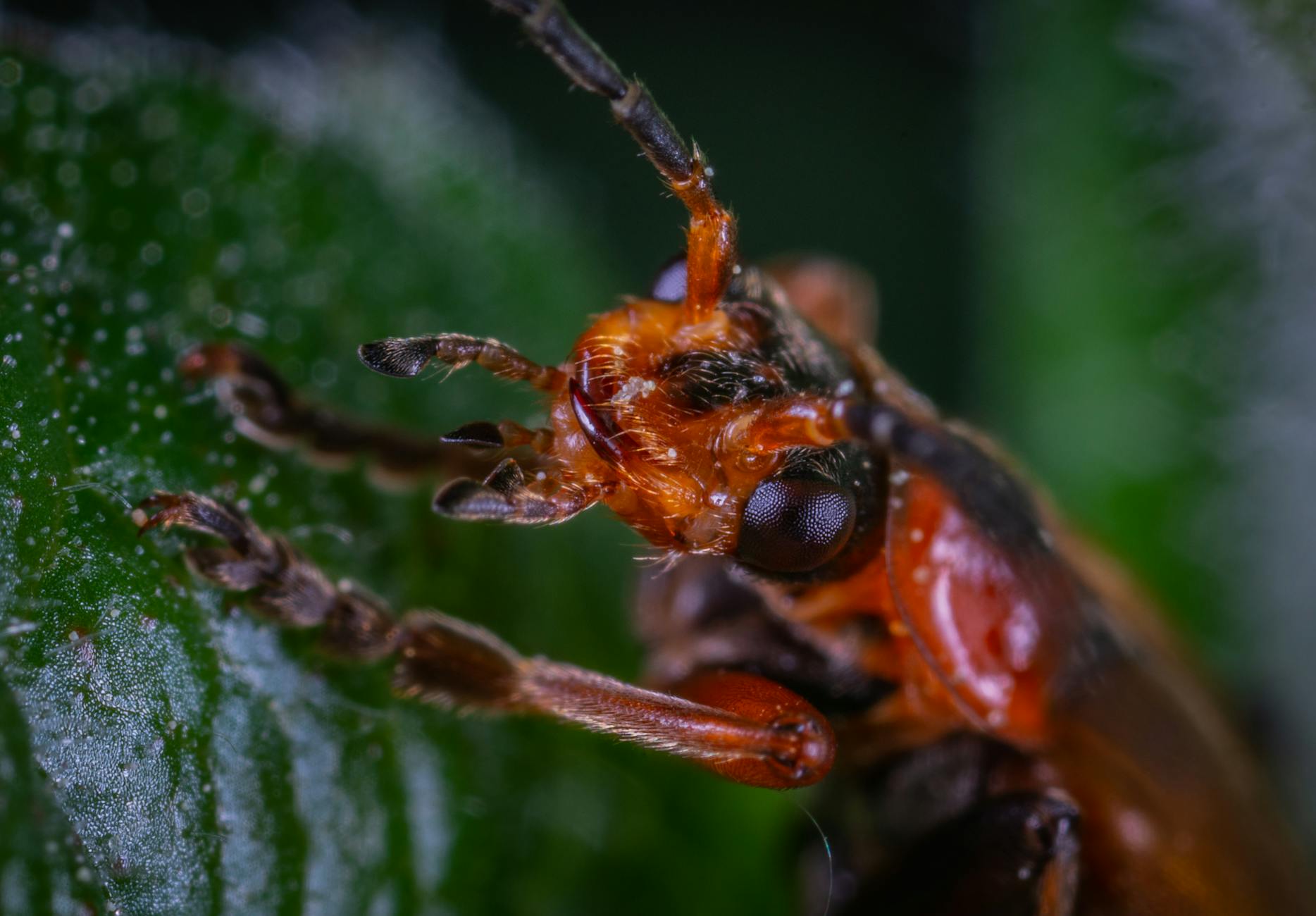
Pollination is the process by which pollen is transferred from the male part of a plant to the female part, enabling fertilization and the production of seeds and fruits. Pollinators such as bees, butterflies, birds, and other insects are instrumental in this process. They visit flowers in search of nectar and inadvertently transfer pollen as they move from bloom to bloom. Without pollinators, many plants would not be able to reproduce, leading to a decline in biodiversity and reduced food production.
Attracting Pollinators to Your Garden
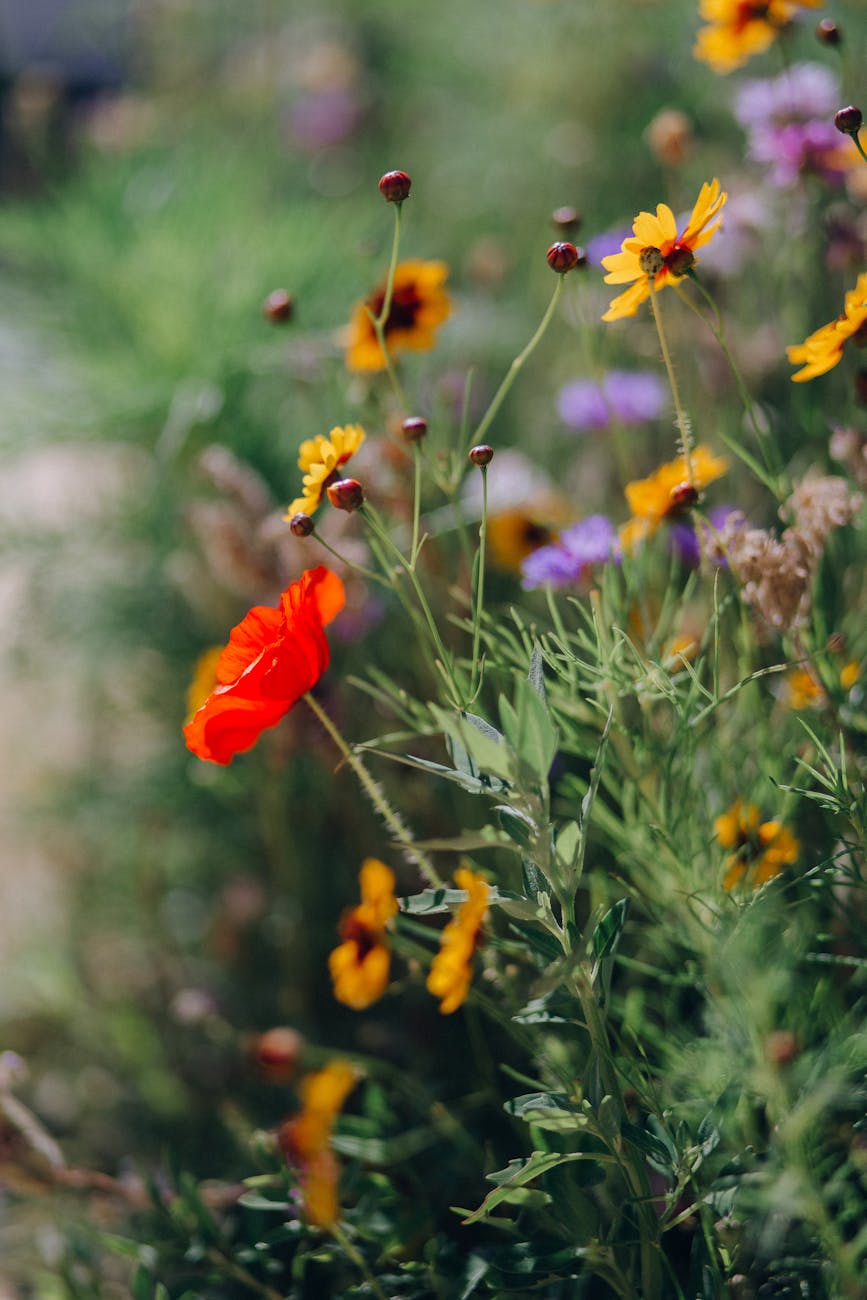
Creating a pollinator-friendly garden is a rewarding and relatively simple task that can have a significant impact on the health of your plants. To attract pollinators to your garden, consider incorporating a diverse range of flowering plants that bloom at different times throughout the year. Be sure to include native plant species, as they are well-suited to the local climate and provide essential food sources for local pollinators.
Focus on Diversity in Your Garden
Diversity is key when it comes to attracting a variety of pollinators to your garden. Different pollinators are attracted to different types of flowers, so by planting a mix of shapes, colors, and sizes, you can appeal to a wider range of pollinator species. Additionally, providing a variety of plant heights and structures creates a more dynamic environment for pollinators to forage and seek shelter.
Creating Habitat for Pollinators
In addition to planting a diverse array of flowers, consider creating habitat features that can support pollinators in your garden. This can include providing nesting sites for native bees, such as bare soil or hollow plant stems, as well as installing bee houses or butterfly houses. Incorporating water sources like birdbaths or shallow dishes filled with rocks for insects to land on can also attract pollinators to your garden.
Avoiding Pesticides
One of the most important steps you can take to protect pollinators in your organic garden is to avoid using pesticides. Many chemical pesticides are harmful to bees and other pollinators, disrupting their feeding and reproductive behaviors and contributing to population declines. Instead, opt for natural pest control methods, such as companion planting, crop rotation, and hand-picking pests to maintain a healthy garden ecosystem.
Conclusion
In conclusion, pollinators are essential partners in organic gardening, contributing to the health and vibrancy of your plants. By creating a welcoming environment for bees, butterflies, birds, and other pollinators, you can enhance biodiversity, promote ecosystem health, and enjoy a garden bursting with vibrant blooms. Embrace the role of pollinators in your organic garden and watch as your plants flourish with beauty and vitality.