
Composting 101: Transform Kitchen Scraps into Effortless Garden Gold
Composting is a sustainable practice that benefits both the environment and your garden. By transforming kitchen scraps into nutrient-rich fertilizer, you can reduce waste and enhance the health of your plants. In this guide, we will explore the basics of composting, including what materials to use, how to create a compost pile, and the benefits of incorporating compost into your garden.
Getting Started with Composting
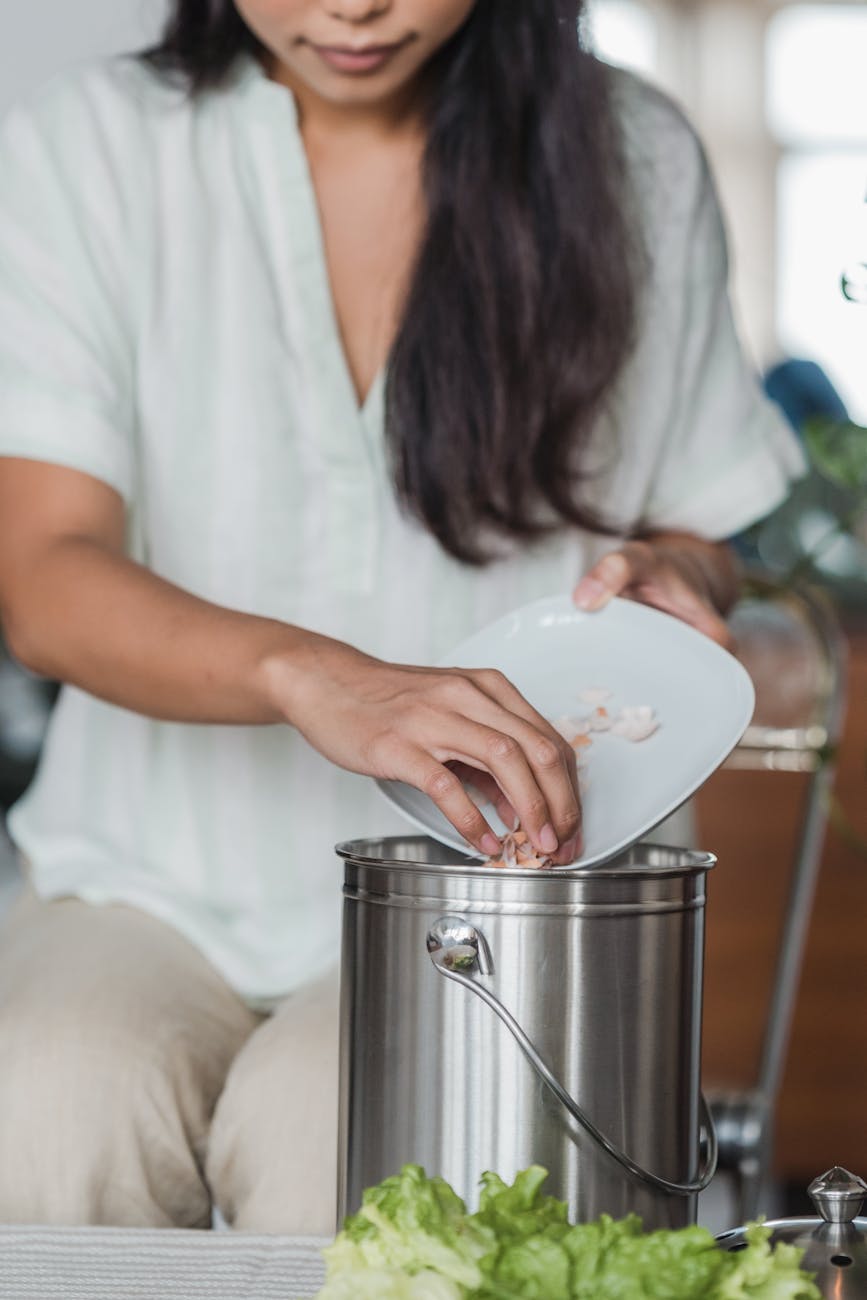
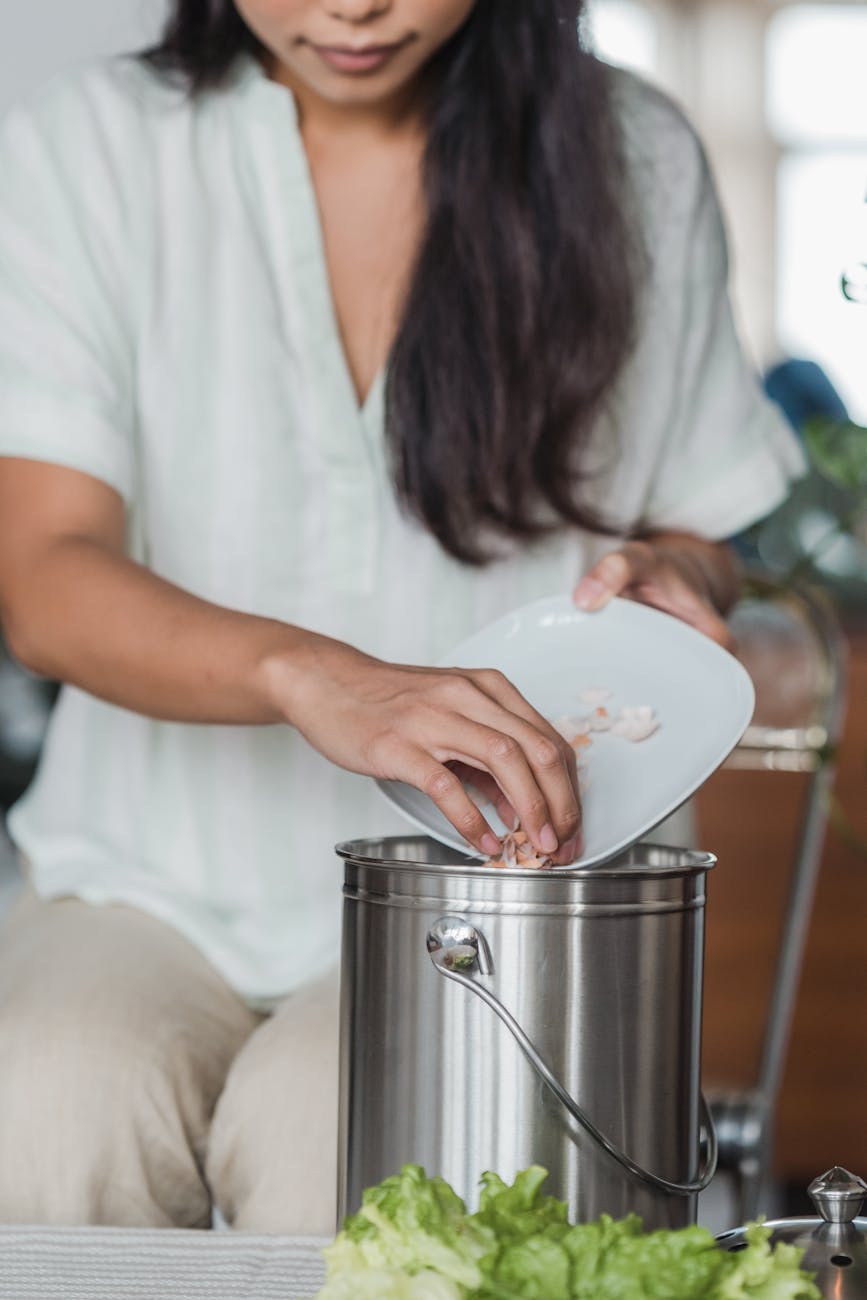
Composting is a simple process that involves breaking down organic material into a nutrient-rich soil amendment. To start composting, you will need a mix of “green” materials, such as fruit and vegetable scraps, coffee grounds, and grass clippings, and “brown” materials, like dry leaves, straw, and paper. The green materials provide nitrogen, while the brown materials supply carbon, creating a balanced environment for decomposition.
Creating Your Compost Pile
Choose a suitable location for your compost pile, ideally in a sunny spot with good drainage. Begin by layering your green and brown materials, alternating between the two to ensure proper aeration. To speed up the decomposition process, mix the pile regularly and keep it moist but not waterlogged. Over time, the organic material will break down into a dark, crumbly substance known as humus, which is a valuable soil conditioner.
Benefits of Composting
Composting offers a host of benefits for both your garden and the environment. By diverting food scraps and yard waste from landfills, you can reduce methane emissions and lower your carbon footprint. Additionally, compost adds essential nutrients to the soil, improves soil structure, and enhances water retention, leading to healthier plants with increased yields. Using compost in your garden also reduces the need for chemical fertilizers, promoting a more sustainable approach to gardening.
Troubleshooting Common Composting Issues
While composting is a relatively straightforward process, you may encounter some common issues along the way. If your compost pile smells bad, it may be too wet or too compacted, lacking proper aeration. To remedy this, add more brown materials to balance the moisture content and turn the pile frequently to promote decomposition. If your compost pile attracts pests like rodents or flies, avoid adding meat, dairy, or oily foods, which can attract unwanted visitors. You can also cover your compost pile with a lid or use a compost bin to deter pests.
Harvesting and Using Your Compost
After several weeks to several months, depending on the conditions and materials used, your compost should be ready to use in the garden. The finished compost will have a rich, earthy smell and a dark color, indicating that it is fully decomposed. Incorporate the compost into your soil by mixing it in with existing garden beds or using it as a top dressing for plants. Your plants will benefit from the added nutrients and improved soil structure, resulting in healthier growth and increased resilience to pests and diseases.
In conclusion, composting is a sustainable and rewarding practice that allows you to transform kitchen scraps into garden gold. By following the simple steps outlined in this guide, you can create nutrient-rich compost that will enrich your soil, reduce waste, and promote a healthier garden ecosystem. Get started with composting today and reap the benefits of this eco-friendly gardening practice.