

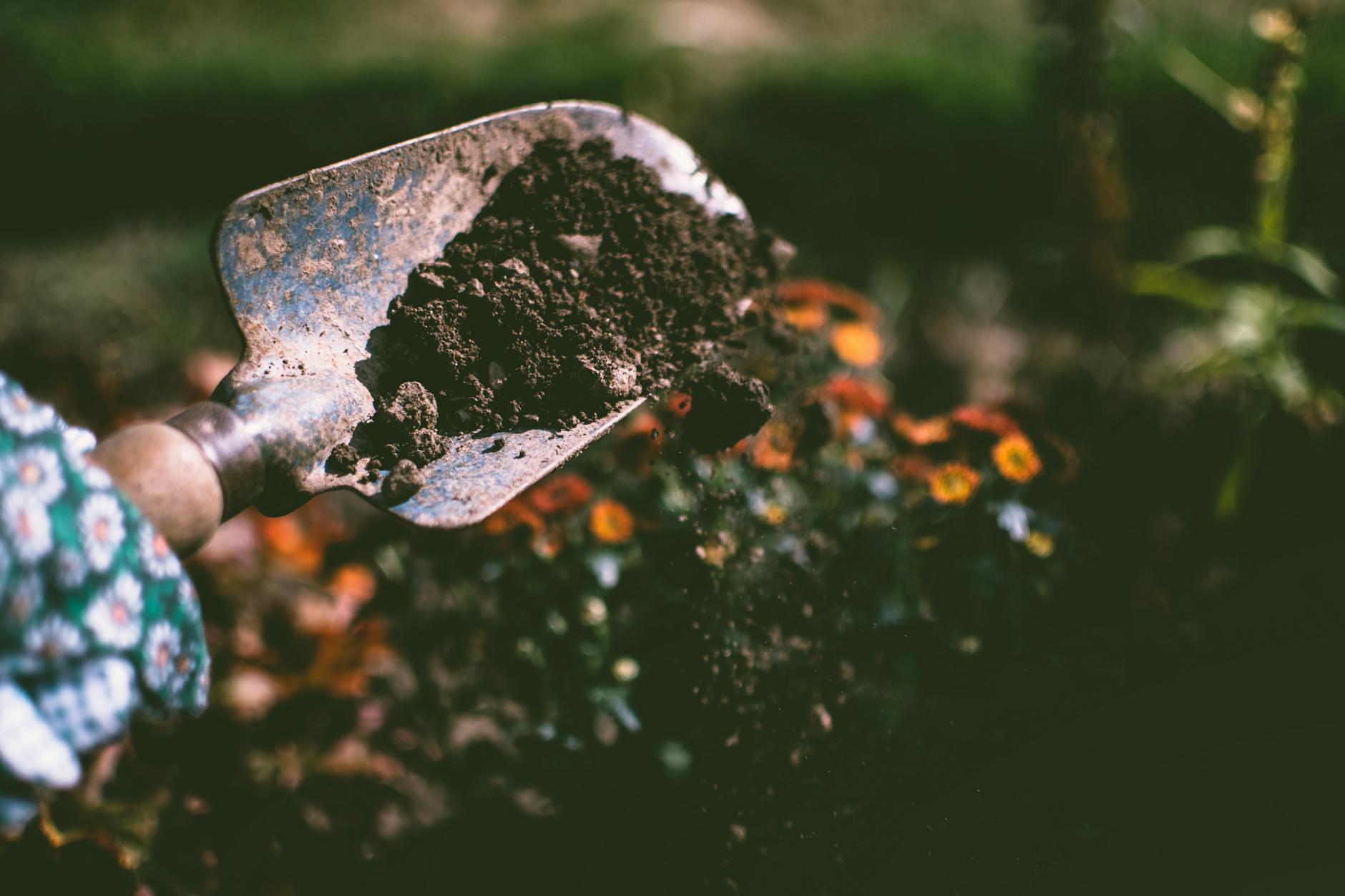
In the quaint village of Willowbrook, nestled between rolling hills and whispering woods, lived a retired schoolteacher named Eliza. At 62, her days were filled with the simple joys of tending her vegetable patch—a modest plot behind her cottage where tomatoes ripened like rubies and carrots pushed through the soil like hidden treasures. One crisp autumn morning in 2026, with the sun casting a golden hue over the frost-kissed leaves, Eliza grabbed her trowel and set to work expanding the bed for next season’s squash.
As she dug deeper into the earth, her tool struck something hard—not the usual rock or root, but a small, glassy sphere that rolled out from the dirt. She picked it up, wiping away the grime, and marveled at its swirling blues and greens, like a miniature ocean trapped in time. “What on earth?” she muttered, turning it over in her palm. It was a marble, but not like the cheap plastic ones from her childhood games. This one felt substantial, its surface etched with faint scratches from years buried underground.
Curiosity piqued, Eliza kept digging. Soon, another emerged—a fiery red one with milky veins—and then a cluster more, tumbling out like forgotten jewels. By lunchtime, she had unearthed over a dozen: some translucent with embedded flecks of gold, others opaque and swirled in patterns that hinted at handcrafted artistry. She rinsed them in her kitchen sink, watching the water reveal their true colors—vintage beauties from the early 20th century, perhaps even antiques from the Victorian era, when marbles were prized toys for children in the nearby mills.
Eliza’s mind raced. She recalled reading about such finds in old gardening forums—how backyards could hide relics from bygone eras, especially in places like Willowbrook, with its history of Victorian estates and playful schoolyards. That evening, she spread them out on her dining table under a lamp, researching online. Terms like “sulphides,” “swirls,” and “Akro Agates” jumped out at her. These weren’t just toys; they were collectibles, some potentially worth hundreds if authenticated.
What started as a casual dig turned into an obsession. Eliza joined online communities for marble enthusiasts, trading stories with collectors from across the globe. She visited local antique shops in London on weekends, her Premium X subscription helping her connect with experts via threads and profiles. Her first purchase was a rare German handmade marble from the 1800s, its pontil mark confirming its age. Soon, her cottage shelves filled with display cases: organized by era, color, and type—clambroths, onionskins, and even a prized Christensen Agate guinea.
The hobby brought unexpected joys. It rekindled her love for history, leading her to explore Willowbrook’s archives and uncover that her veg patch sat on the site of an old children’s orphanage, where games of marbles had echoed through the gardens a century ago. Friends visited for “marble teas,” where they’d admire her growing collection over scones and stories. Eliza even started a small blog, sharing photos of her finds and tips for beginners, inspiring others to dig a little deeper in their own backyards.
Years later, as her collection grew to over 500 pieces, Eliza reflected on that fateful dig. What began with a humble vegetable patch had unearthed not just antiques, but a new chapter in her life—a sparkling hobby that reminded her that treasures often lie just beneath the surface, waiting for the right moment to shine.