
Organic gardening has gained immense popularity in recent years due to its numerous benefits, including healthier produce, sustainability, and environmental friendliness. However, for individuals with limited space, such as urban dwellers or those living in apartments, the idea of starting an organic garden may seem daunting. The good news is that you can still enjoy the benefits of organic gardening even in small spaces by maximizing your yield with some effortless techniques. In this article, we will explore how you can create a thriving organic garden in limited space without compromising on the quality of your produce.
Planning Your Small-Space Organic Garden
Before you start planting, it is essential to plan your small-space organic garden carefully. Consider the available space, sunlight exposure, and the types of plants you want to grow. Opt for compact varieties of vegetables and herbs that are well-suited for small spaces. Utilize vertical gardening techniques by installing trellises, hanging baskets, or wall-mounted planters to make the most of your vertical space.
Choosing the Right Containers and Soil
Selecting the right containers is crucial for successful small-space organic gardening. Opt for containers that are suitable for the size of the plants you are growing and have proper drainage holes to prevent waterlogging. Use high-quality organic soil or compost to provide essential nutrients to your plants. Consider using self-watering containers or adding water-absorbing crystals to ensure your plants receive adequate moisture, especially in limited space where watering can sometimes be challenging.
Implementing Companion Planting and Succession Planting
In small-space organic gardening, companion planting is a beneficial technique where you plant compatible crops together to enhance growth and deter pests. For example, planting basil alongside tomatoes can improve the flavor of tomatoes and repel pests that commonly affect tomato plants. Succession planting involves planting crops in the same space in staggered intervals to ensure a continuous harvest throughout the growing season. This technique maximizes yield and optimizes space utilization in small gardens.
Utilizing Organic Pest Control Methods
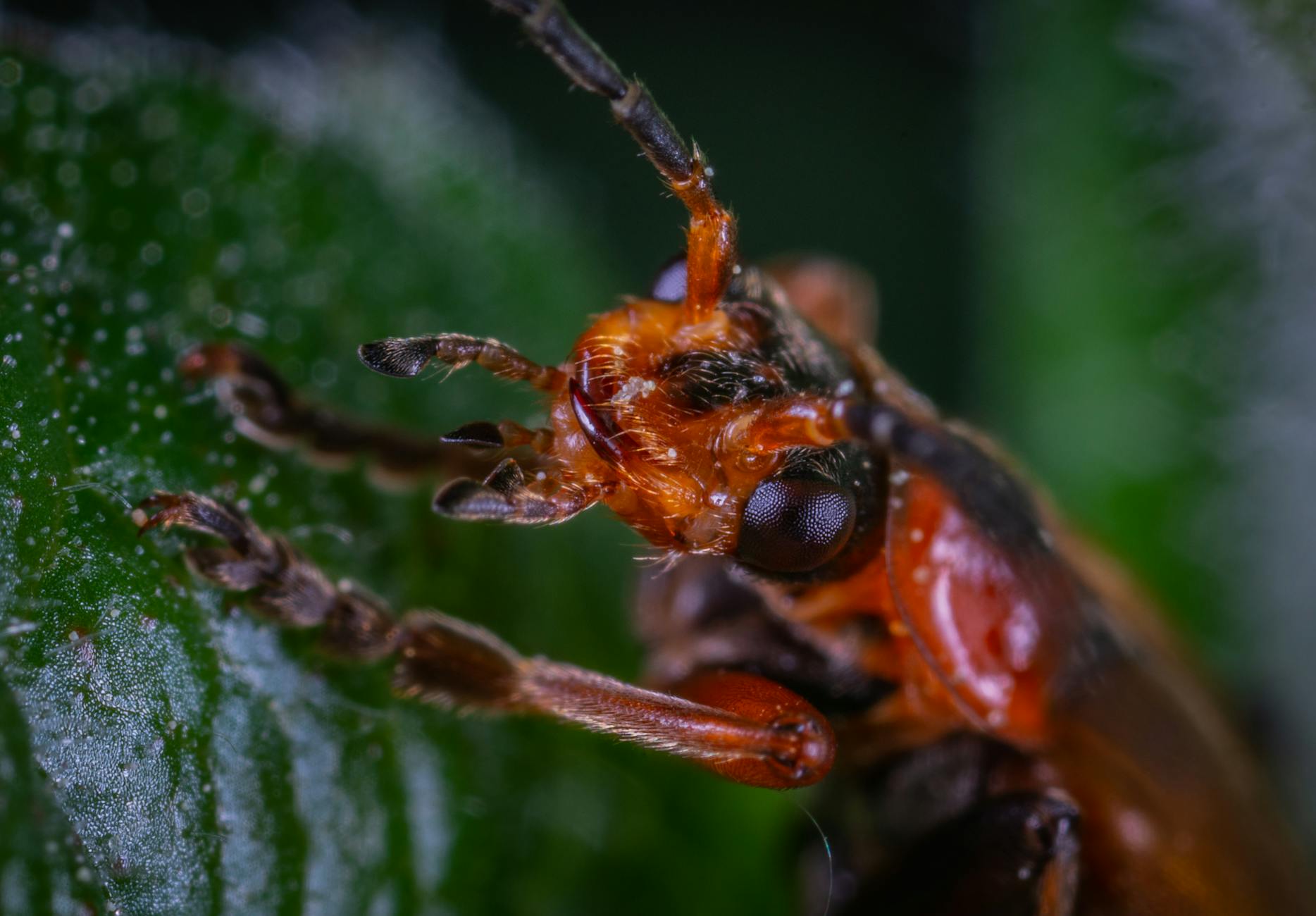
Pests can be a significant challenge in organic gardening, but there are effective natural methods to control them without the use of harmful chemicals. Introduce beneficial insects like ladybugs and lacewings to prey on common garden pests. Use homemade organic sprays such as neem oil, garlic spray, or soap spray to deter pests without harming beneficial insects or pollinators. Regularly inspect your plants for signs of pest infestations and take prompt action to prevent damage to your crops.
Harvesting and Preserving Your Organic Produce
As your small-space organic garden thrives and produces an abundance of fresh produce, it is essential to harvest your crops at the right time to ensure peak flavor and nutritional value. Harvest leafy greens, herbs, and fruits frequently to stimulate continuous growth. Preserve excess produce by freezing, canning, or drying them for later use. Enjoy the satisfaction of enjoying homegrown organic produce year-round by preserving your harvest through various methods.
Conclusion
In conclusion, organic gardening in small spaces can be a rewarding and fulfilling experience with the right techniques and strategies in place. By planning your garden carefully, choosing the right containers and soil, implementing companion planting and succession planting, utilizing organic pest control methods, and harvesting and preserving your produce effectively, you can maximize your yield and enjoy the benefits of fresh, organic produce right at your fingertips. Embrace the beauty of organic gardening in small spaces and reap the bountiful rewards it has to offer.