

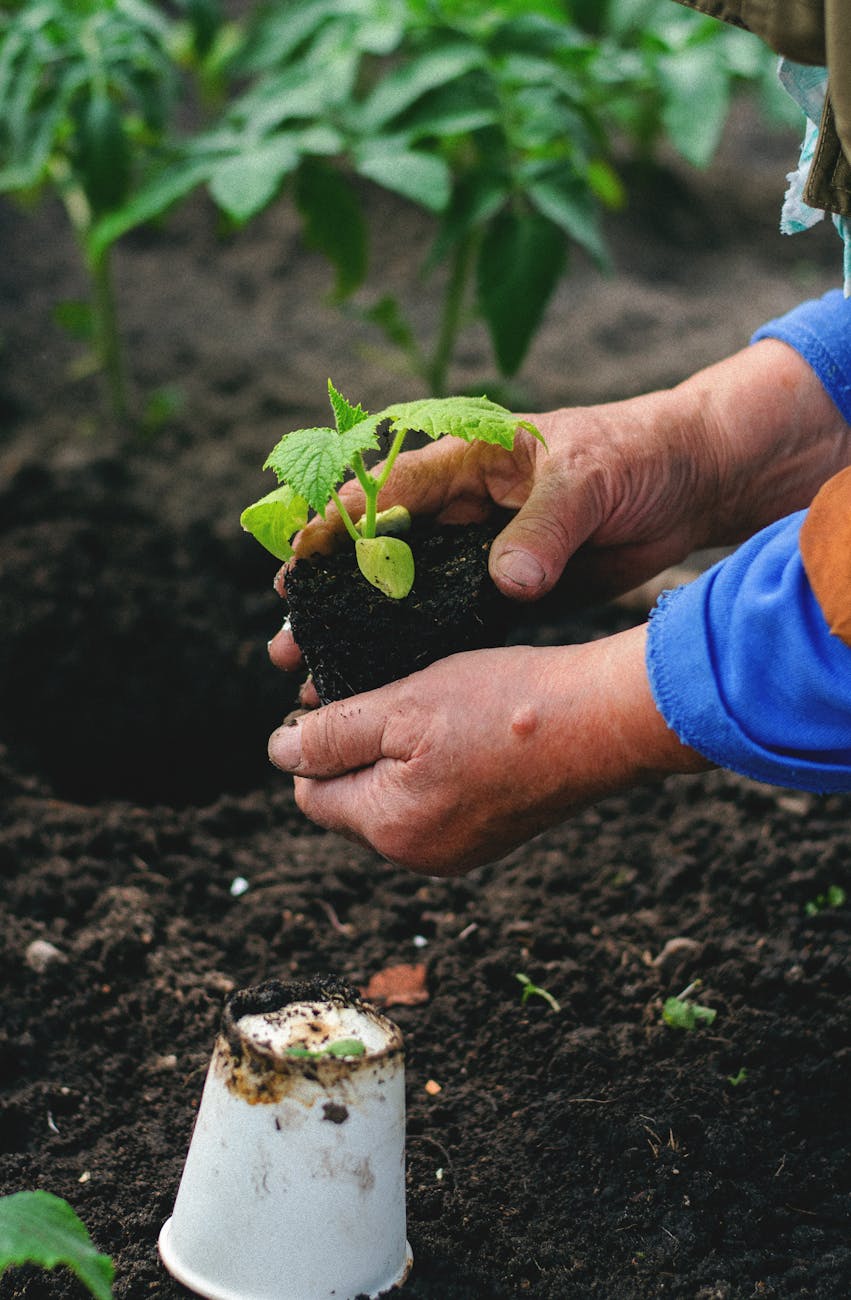
Unlocking the Secrets of Organic Gardening: Transform Your Soil with These Must-Have Tips
When it comes to successful organic gardening, one of the critical elements to focus on is your soil health. The health of your soil determines the success of your plants and the vibrancy of your garden. By implementing the right techniques, you can transform your soil into a thriving ecosystem that supports the growth of healthy plants. In this article, we will explore some essential tips that will help you improve the quality of your soil and create a flourishing organic garden.
Understanding Your Soil Composition
Before you can effectively transform your soil, it’s essential to understand its composition. Soil is made up of various components, including sand, silt, clay, organic matter, and microorganisms. The ideal soil for gardening is loam, which is a balanced mixture of sand, silt, and clay. By knowing the composition of your soil, you can determine what amendments it needs to improve its structure and fertility.
Conducting a Soil Test
One of the first steps in transforming your soil is to conduct a soil test. A soil test will provide you with valuable information about the pH level of your soil, as well as its nutrient composition. Based on the results of the soil test, you can make informed decisions about which soil amendments to add to improve the soil quality. Common soil amendments include compost, manure, and organic fertilizers.
Adding Organic Matter
Organic matter is the lifeblood of your soil. Adding organic matter, such as compost or aged manure, helps improve soil structure, increase water retention, and provide essential nutrients for plant growth. Organic matter also enhances the activity of beneficial soil organisms, which play a crucial role in breaking down organic materials and making nutrients available to plants. Regularly incorporating organic matter into your soil will gradually improve its quality and fertility.
Mulching Your Garden
Mulching is another effective way to improve soil health in your garden. Mulch helps retain soil moisture, suppress weeds, regulate soil temperature, and prevent soil erosion. Organic mulches, such as straw, wood chips, or grass clippings, break down over time and add valuable organic matter to the soil. By mulching your garden beds, you can create a healthy environment for plant roots to thrive and promote beneficial soil microorganisms.
Practicing Crop Rotation
Crop rotation is a traditional gardening technique that can help improve soil health and prevent soil-borne diseases. By rotating your crops each season, you can avoid depleting specific nutrients from the soil and disrupt the life cycles of pests and diseases. Different plants have different nutrient requirements, so rotating your crops helps maintain soil fertility and balance the soil ecosystem. Additionally, planting nitrogen-fixing cover crops in between main crops can help replenish soil nutrients naturally.
Conclusion
In conclusion, transforming your soil for organic gardening involves understanding its composition, conducting soil tests, adding organic matter, mulching your garden, and practicing crop rotation. By following these essential tips, you can create a healthy and vibrant soil ecosystem that supports the growth of thriving plants and a bountiful harvest. Remember that healthy soil is the foundation of a successful organic garden, and investing time and effort in improving your soil will pay off in the long run. Start implementing these tips today and watch your garden flourish!