

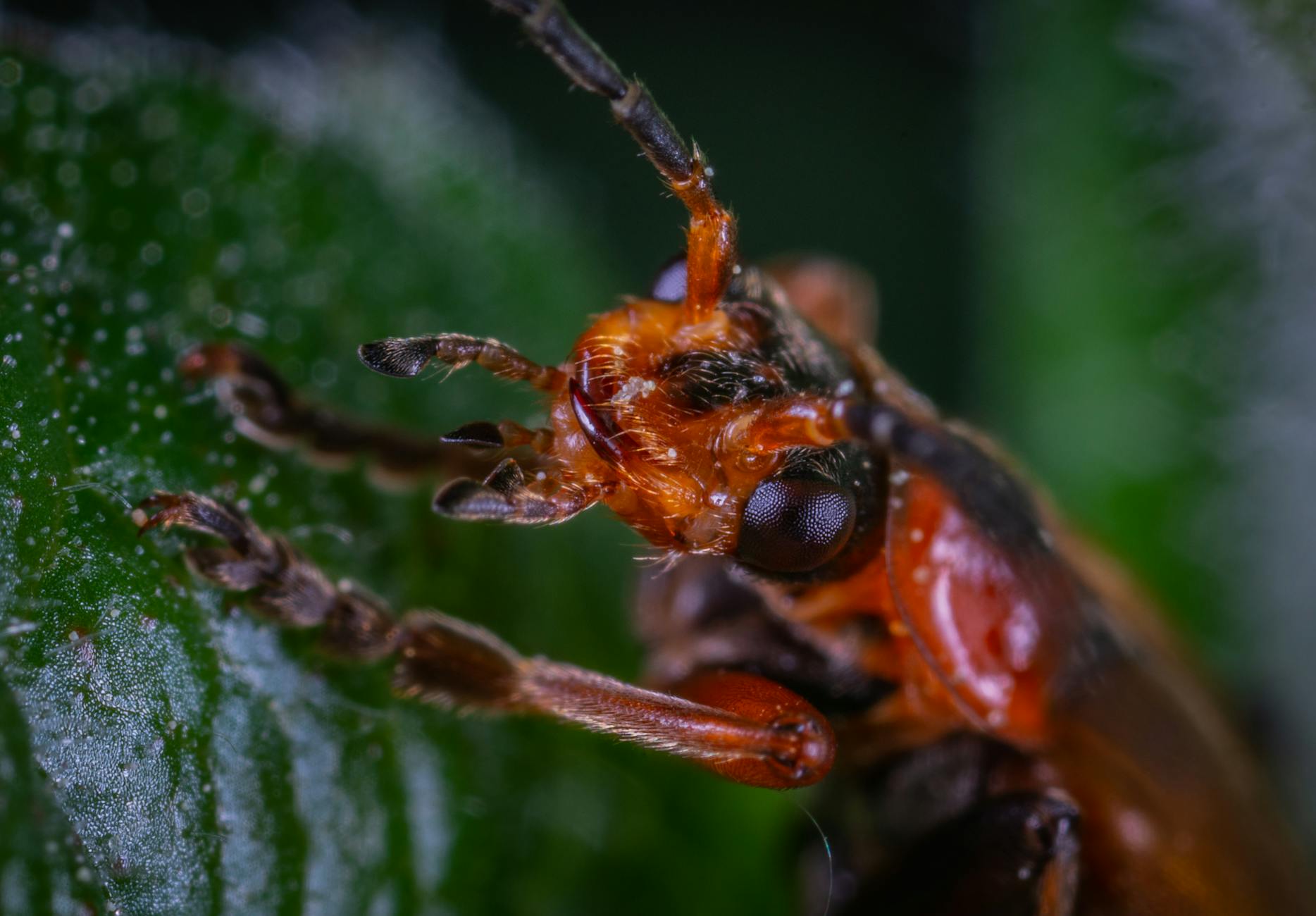
Organic Gardens: Effortless Natural Pest Control Methods
Organic gardening is gaining popularity for its numerous benefits, including producing fresh, healthy produce free of harmful chemicals. However, one common challenge organic gardeners face is controlling pests without resorting to synthetic pesticides. Fortunately, there are several natural and effective pest control methods that can help protect your organic garden without harming the environment. By implementing these effortless natural pest control methods, you can maintain a thriving garden while promoting biodiversity and sustainability.
Understanding the Importance of Pest Control in Organic Gardens
In organic gardening, pest control is essential to ensure the health and productivity of your plants. Pests like aphids, caterpillars, and snails can damage crops, leading to reduced yields and poor plant health. While synthetic pesticides can effectively eliminate pests, they can also harm beneficial insects, disrupt the ecosystem, and contaminate the soil and water. Therefore, organic gardeners rely on natural pest control methods that are safe, eco-friendly, and sustainable.
Companion Planting: Nature’s Pest Repellent
Companion planting is a traditional gardening practice that involves planting different species of plants together to benefit one another. Certain plants naturally repel pests and attract beneficial insects, helping to maintain a balanced ecosystem in your garden. For example, planting marigolds alongside vegetables can deter nematodes and repel other harmful insects. Similarly, aromatic herbs like basil and mint can help ward off pests while enhancing the flavor of your produce.
Beneficial Insects: Nature’s Pest Predators
Encouraging beneficial insects in your garden is a natural and effective way to control pest populations. Predatory insects like ladybugs, lacewings, and parasitic wasps feed on common garden pests, such as aphids and caterpillars, keeping their numbers in check. To attract beneficial insects, plant nectar-rich flowers like lavender and dill, provide shelter and water sources, and avoid using broad-spectrum pesticides that can harm these helpful allies.
Homemade Remedies: DIY Pest Control Solutions
Creating homemade pest control remedies using common household ingredients is a cost-effective and chemical-free way to protect your garden. For instance, a mixture of water, soap, and oil can suffocate soft-bodied insects like aphids and spider mites. Garlic and chili pepper sprays can deter pests while being safe for plants and the environment. Additionally, introducing natural predators like praying mantises or releasing beneficial nematodes can help control specific pest populations in a targeted manner.
Crop Rotation and Maintenance: Preventing Pest Infestations
Practicing crop rotation and proper garden maintenance can help prevent pest infestations and diseases in your organic garden. Rotating crops each season disrupts the life cycles of pests and reduces soil-borne pathogens, promoting overall plant health. Removing weeds, diseased plants, and garden debris can eliminate hiding spots and breeding grounds for pests. Mulching with organic materials can also suppress weed growth, retain moisture, and create a barrier against soil-dwelling pests.
Conclusion
In conclusion, maintaining a healthy and pest-free organic garden is achievable through the use of natural pest control methods. By incorporating companion planting, attracting beneficial insects, using homemade remedies, practicing crop rotation, and maintaining garden hygiene, you can effectively manage pests without compromising the integrity of your organic garden. Embracing these effortless natural pest control methods not only protects your plants but also supports a sustainable and biodiverse environment. With a little effort and dedication, you can enjoy the benefits of organic gardening while promoting harmony between nature and cultivation.